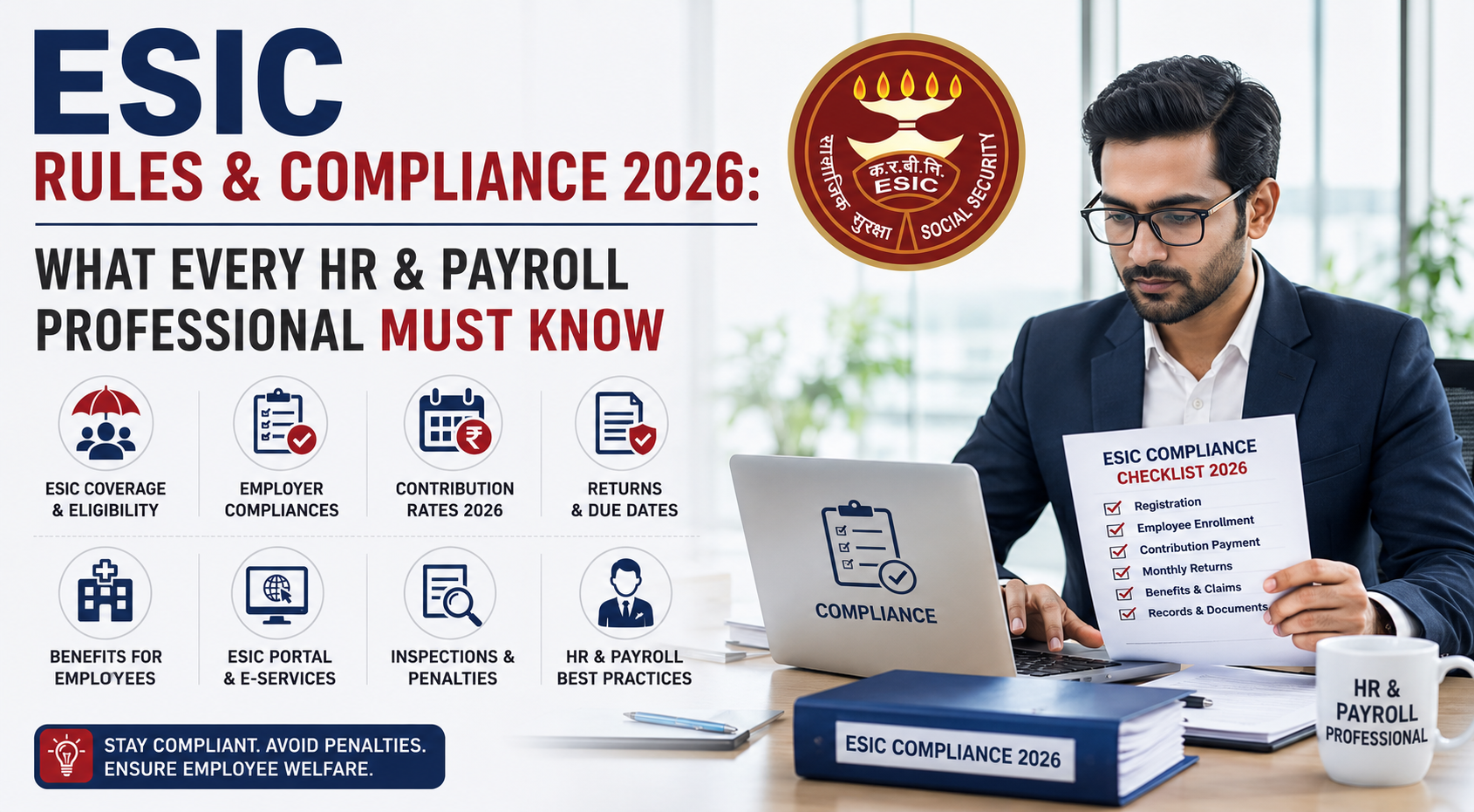

PF & ESIC Mistakes Indian SMEs Make, And How to Fix Them
Provident Fund (PF) and Employee State Insurance Corporation (ESIC) compliance are critical obligations for Indian businesses. Yet, small and medium enterprises (SMEs) frequently fall into compliance traps that can lead to hefty penalties, employee disputes, and reputational damage. In this comprehensive guide, we'll explore the most common PF and ESIC mistakes and provide actionable solutions to avoid them.
1. Incorrect Employee Eligibility Assessment
The Mistake:
Many SMEs fail to correctly determine which employees are eligible for PF and ESIC coverage. Common errors include:
- Not enrolling eligible contract workers or fixed-term employees
- Assuming all employees earning above ₹15,000 are exempt from PF
- Not covering employees working in multiple locations under ESIC
- Excluding part-time or temporary workers who meet eligibility criteria
The Correct Approach:
PF Applicability: Mandatory for establishments with 20 or more employees. All employees earning up to ₹15,000 per month as basic + DA must be enrolled. Employees earning above this threshold can voluntarily opt-in with employer consent.
ESIC Applicability: Mandatory for establishments with 10 or more employees (varies by state). All employees earning up to ₹21,000 per month are covered, including contract and temporary workers.
How to Avoid:
- Conduct regular employee audits to identify eligible workers
- Maintain clear documentation of salary structures and employment types
- Enroll new employees within 10 days of joining
- Regularly review threshold changes and amendments
2. Wage Calculation Errors
The Mistake:
Incorrect wage calculation is one of the most prevalent errors, leading to under-contribution or over-contribution:
- Including allowances that should be excluded from PF wages
- Not including special allowances in PF calculation when they exceed 50% of basic
- Miscalculating gross wages for ESIC purposes
- Not adjusting contributions for mid-month joiners or leavers
The Correct Approach:
PF Wages Include: Basic salary, Dearness Allowance (DA), Retaining Allowance, and Cash value of food concessions. If special allowances (HRA, Conveyance, etc.) exceed 50% of basic + DA, the entire salary becomes PF wages.
ESIC Wages Include: All remuneration paid or payable in cash, including basic pay, DA, HRA, overtime, bonuses, and other allowances.
How to Avoid:
- Implement robust payroll software with built-in PF/ESIC calculation logic
- Regularly audit wage structures for compliance
- Train payroll staff on statutory wage definitions
- Maintain detailed breakup of salary components
- Reconcile monthly contributions against wages paid
3. Delayed or Missed Contributions
The Mistake:
Late payment of PF and ESIC contributions is perhaps the costliest mistake SMEs make:
- Missing the 15th of the month deadline for PF contributions
- Missing the 21st of the month deadline for ESIC contributions
- Not filing monthly returns even when no contributions are due
- Cash flow issues leading to delayed remittances
The Consequences:
- PF Delays: Interest at 12% per annum on delayed contributions plus penal damages of 12% for delays beyond grace period
- ESIC Delays: Penal interest and damages up to 25% per annum
- Criminal Liability: Persistent defaults can lead to prosecution and imprisonment
- Employee Claims: Employees may file complaints leading to inspections and audits
How to Avoid:
- Set up automated payment reminders well before due dates
- Maintain separate bank accounts for statutory dues
- Process payroll at least 10 days before month-end to allow time for payments
- Use digital payment facilities (EPFO Unified Portal, ESIC portal) for faster processing
- Monitor cash flows and prioritize statutory payments
- File nil returns if no contributions are due for the month
4. Inadequate Record-Keeping and Documentation
The Mistake:
Poor documentation and record maintenance creates problems during inspections and audits:
- Not maintaining statutory registers (Form 3A, Form 6, etc.)
- Missing employee acknowledgments and declarations
- Inadequate documentation for exemptions and exclusions
- Not preserving contribution payment receipts and challans
- Inconsistent data across EPFO portal, ESIC portal, and internal records
The Correct Approach:
Maintain comprehensive records including:
- Wage registers with detailed salary breakups
- Employee declarations (Form 11 for PF, Form 1 for ESIC)
- Attendance and leave records
- Monthly contribution challans and receipts
- Correspondence with EPFO and ESIC authorities
- Annual returns and reconciliation statements
How to Avoid:
- Digitize records for easy retrieval and audit trails
- Implement document management systems
- Conduct internal compliance audits quarterly
- Train HR staff on documentation requirements
- Regularly backup digital records
- Retain records for prescribed periods (at least 5-6 years)
5. Failure to Update Employee Changes
The Mistake:
Not updating employee information promptly leads to compliance gaps:
- Not filing exit forms when employees leave
- Not updating salary revisions in portals
- Not marking employees as inactive or separated
- Not processing PF transfer requests or withdrawal claims
- Not updating Aadhaar, bank details, and nominee information
The Consequences:
- Continued contribution liability for separated employees
- Employee grievances and trust issues
- Inspection notices and penalties
- Difficulty in reconciliation and compliance audits
How to Avoid:
- Establish clear SOPs for employee lifecycle events
- File exit forms (Form 10C, Form 3A exit entry) within prescribed timelines
- Update salary revisions immediately in portals
- Assist employees with PF transfer and withdrawal processes
- Maintain updated employee databases synced with statutory portals
- Conduct quarterly data reconciliation exercises
Best Practices for PF & ESIC Compliance
1. Invest in Compliance Infrastructure
- Use integrated payroll and compliance software
- Implement digital attendance and leave management systems
- Maintain secure document management systems
2. Regular Training and Capacity Building
- Train HR and payroll staff on latest amendments
- Conduct periodic refresher sessions
- Subscribe to regulatory update services
3. Periodic Compliance Audits
- Conduct internal audits quarterly
- Engage external compliance experts for annual audits
- Address gaps immediately
4. Seek Professional Help
- Partner with compliance specialists for complex issues
- Outsource payroll and statutory compliance to experts
- Stay updated through professional networks and consultants
Conclusion
PF and ESIC compliance may seem complex, but with the right processes, tools, and expertise, SMEs can avoid costly mistakes and maintain seamless compliance. The key is proactive management, regular monitoring, and timely action on employee changes and statutory updates.
At LegitWork Solutions, we specialize in end-to-end PF and ESIC compliance management for SMEs. From enrollment and monthly contributions to audits and representation before authorities, we handle it all. Contact us today to ensure your business stays compliant and penalty-free.
Written by Vikram Kumar
Vikram is a payroll specialist with deep expertise in managing multi-state payroll operations, EPF/ESIC compliance, and statutory deductions.
Need Expert Compliance Guidance?
Our team is here to help you navigate labour law compliance with ease.
Get a Free Consultation